

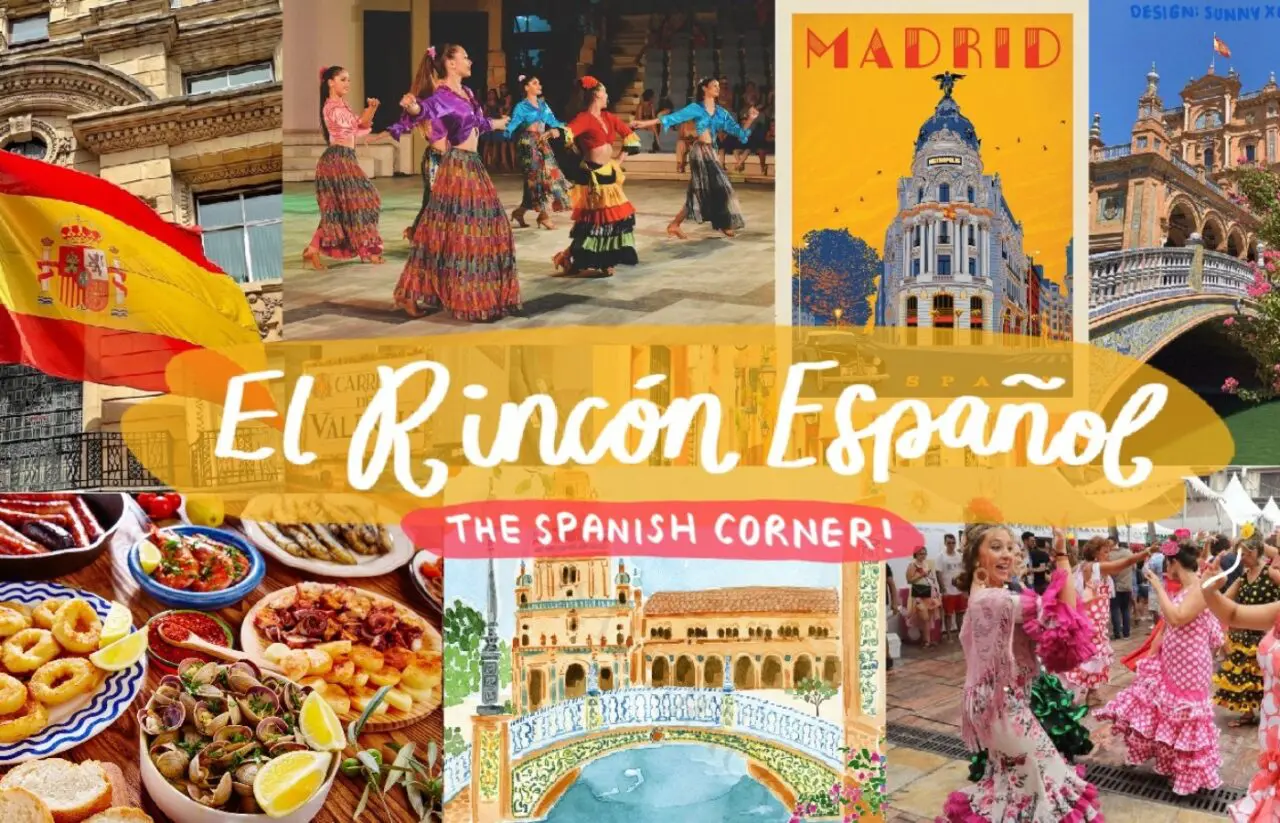
Las Navidades en el mundo hispano- Christmas in the Hispanic World
In the Hispanic world, Christmas traditions vary greatly: in Latin America, celebrations are warm and mix indigenous and African elements, with big dinners on Christmas Eve (December 24) and figures like Baby Jesus (not Santa Claus) bringing gifts. Highlights include Las Posadas in Mexico and dishes like hallacas in Venezuela. In Spain, Christmas Eve and Epiphany (January 6) are more important, with gifts shared between Santa Claus and the Three Kings, and unique traditions like the Catalan “caganer,” although December 25 is also celebrated with abundant seafood and roast dinners.
Latin America
• Key Dates: Christmas Eve (December 24) and Epiphany (January 6) are the main celebrations, with big dinners and gifts, not so much December 25.
• Gifts: Brought by Baby Jesus, the Three Wise Men, or “Niño Dios,” not mainly by Santa Claus.
• Traditions:
- Mexico: Posadas (reenactment of Mary and Joseph’s journey), fireworks.
- Venezuela: Christmas Eve dinner with hallacas, ham bread, pork leg.
- Peru/Honduras: Burning old dolls to ward off bad luck.
- Climate: In the Southern Hemisphere, it’s summer, so celebrations are more outdoors and in the streets.
Spain
• Key Dates: Christmas Eve (December 24) and Epiphany (January 6) are vital; December 25 is celebrated, but Christmas Eve and the meal on the 25th are equally important.
• Gifts: Shared between Santa Claus and the Three Wise Men, not just one.
Traditions:
- Nativity scenes: With unique figures like the “caganer” in Catalonia.
- Gastronomy: Lavish dinners with seafood, lamb, suckling pig, and sweets.
- Instruments: Use of the zambomba for carols.
Difference with Hispanic America: In Spain, both the dinner on the 24th and the lunch on the 25th are equally big; in Latin America, the dinner on the 24th is usually the main event.
Similarities
- Religiosity: Strong Catholic roots, Midnight Mass.
- Carols: Traditional songs.
- Nativity scenes: Elaborate crèches (manger scenes).
- Grapes: The tradition of eating 12 lucky grapes for New Year’s is common.
Below is a link to the most famous carols in Spanish for you to sing along.
Villancicos Famosos (Con Letra)
The Spanish department wishes you all a lovely Christmas and a Happy New Year
