
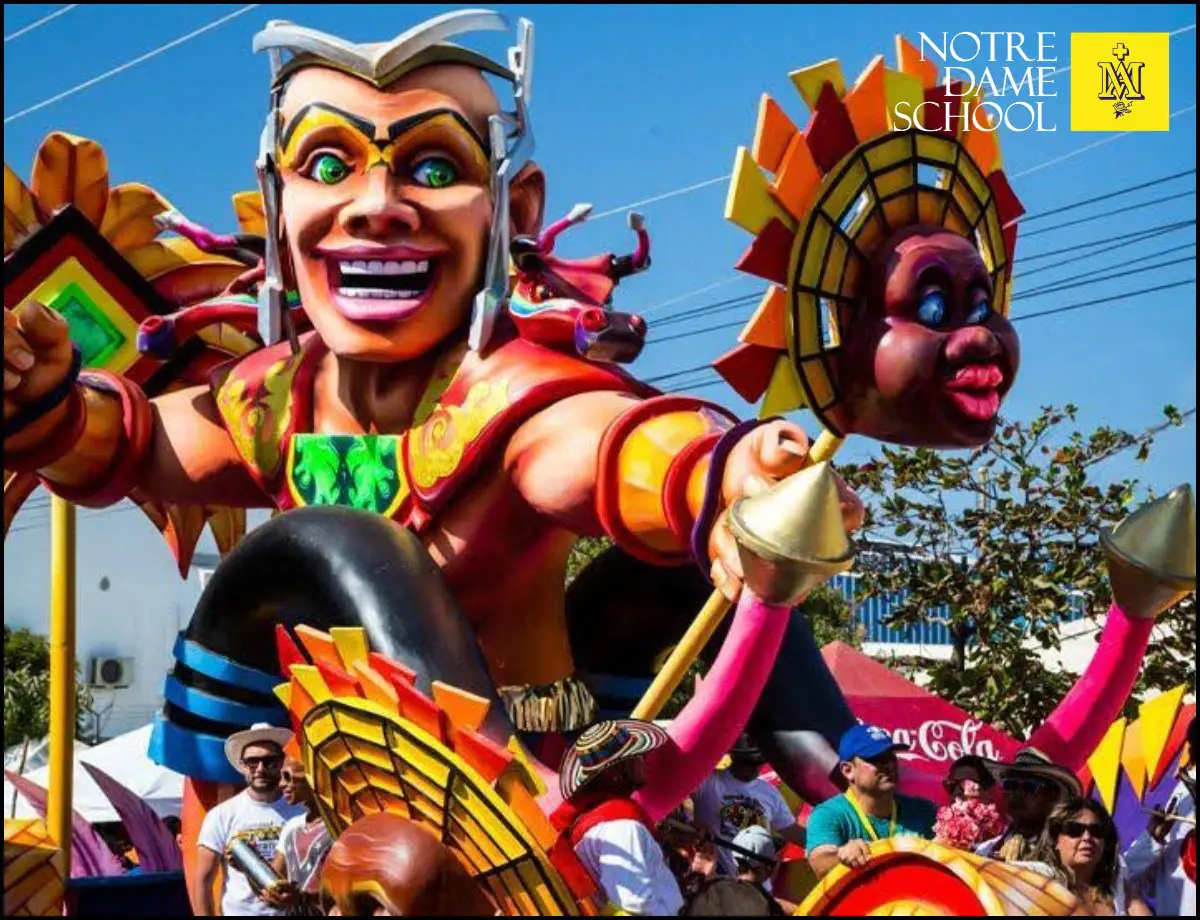
Colombia
• Carnival of Barranquilla: One of the most famous carnivals, recognized as a UNESCO Intangible Cultural Heritage. It is known for dances such as cumbia and mapalé, and for traditional costumes like La Marimonda.
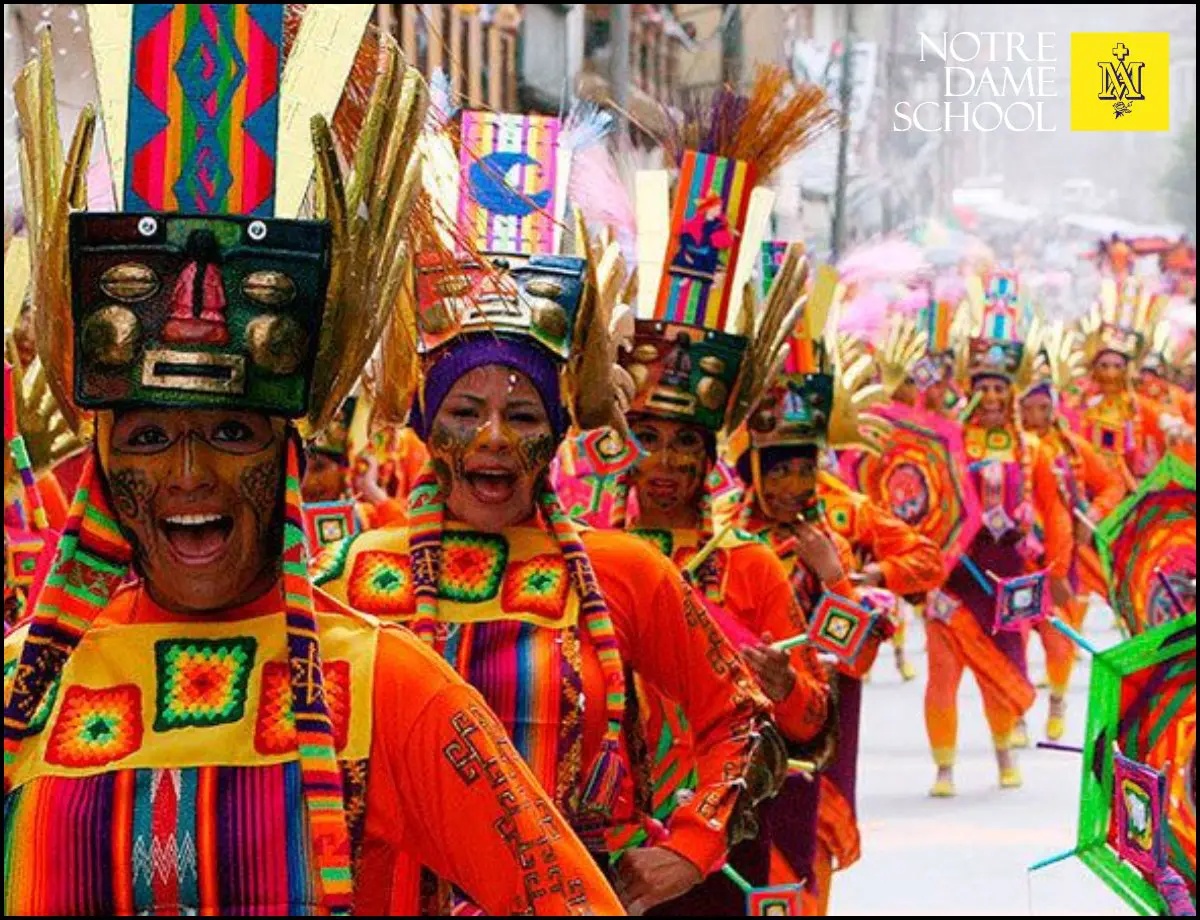
• Carnival of Blacks and Whites (Pasto): An Andean and Andean-Indigenous festival with strong cultural fusion.
Spain
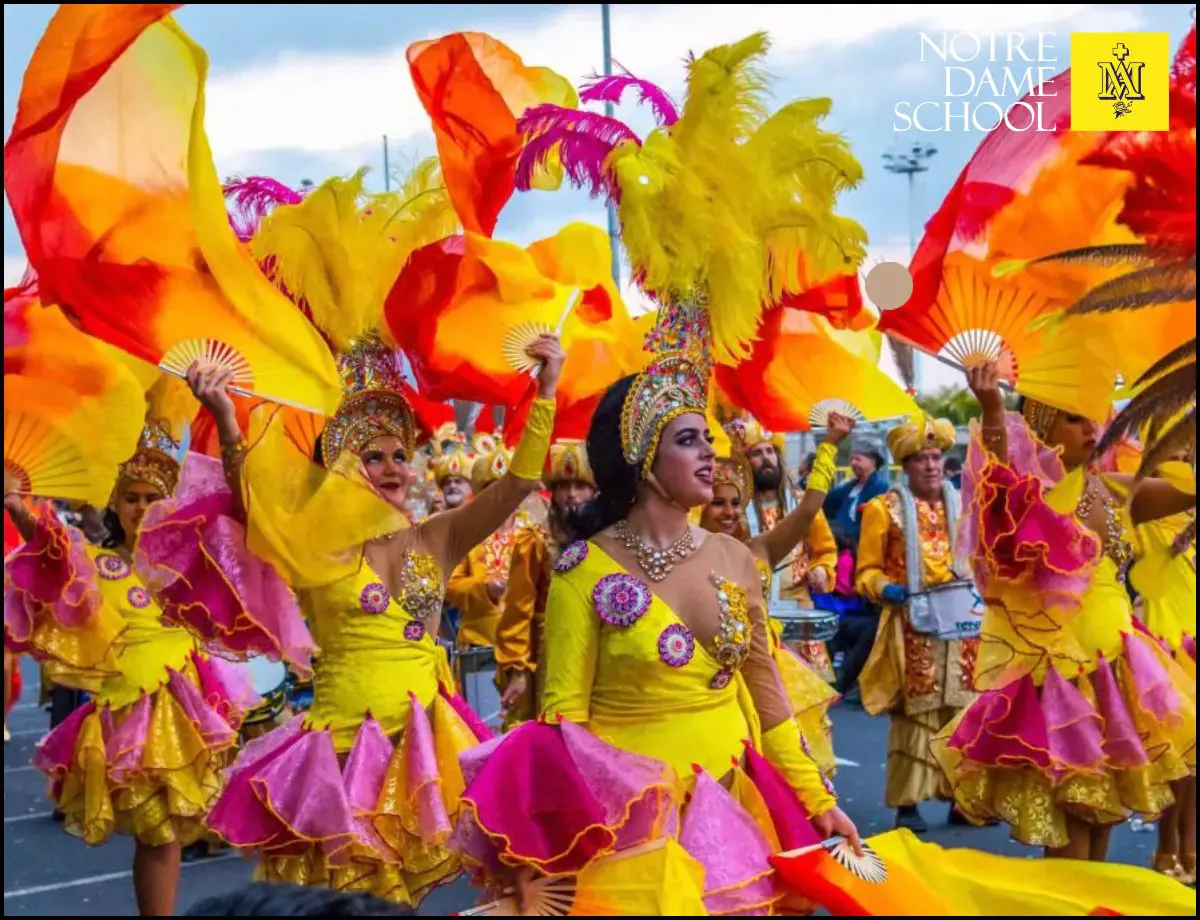
• Tenerife: Famous for its comparsa competitions and the election of the Carnival Queens. It is considered one of the most joyful carnivals in the world.
• Cádiz: Renowned for its chirigotas, choirs, and comparsas, characterized by humor, social satire, and irony.
Bolivia
• Carnival of Oruro: One of the most important folkloric expressions in the region. Known for the “Diablada” dance and its deep mestizo and Indigenous roots.
Uruguay
• Montevideo: Hosts the world’s longest carnival (40 days). It blends Spanish-influenced murgas with the Afro-Uruguayan rhythm of candombe.
Dominican Republic
• Carnival of La Vega: One of the country’s finest carnivals, celebrated for its colorful diablos cojuelos.
Argentina
• Gualeguaychú Carnival: Famous for its allegorical floats and dancers performing in a corsódromo (a special carnival parade venue).
Panamá
• Known for four days of festivities, parades, and the traditional rivalry between Calle Arriba and Calle Abajo.
Traditions and Characteristics
Origins
The word carnival comes from the Latin carnelevarium (“to remove the meat”), referring to the Christian tradition of abstaining from meat during Lent.
Elements
Carnivals typically include:
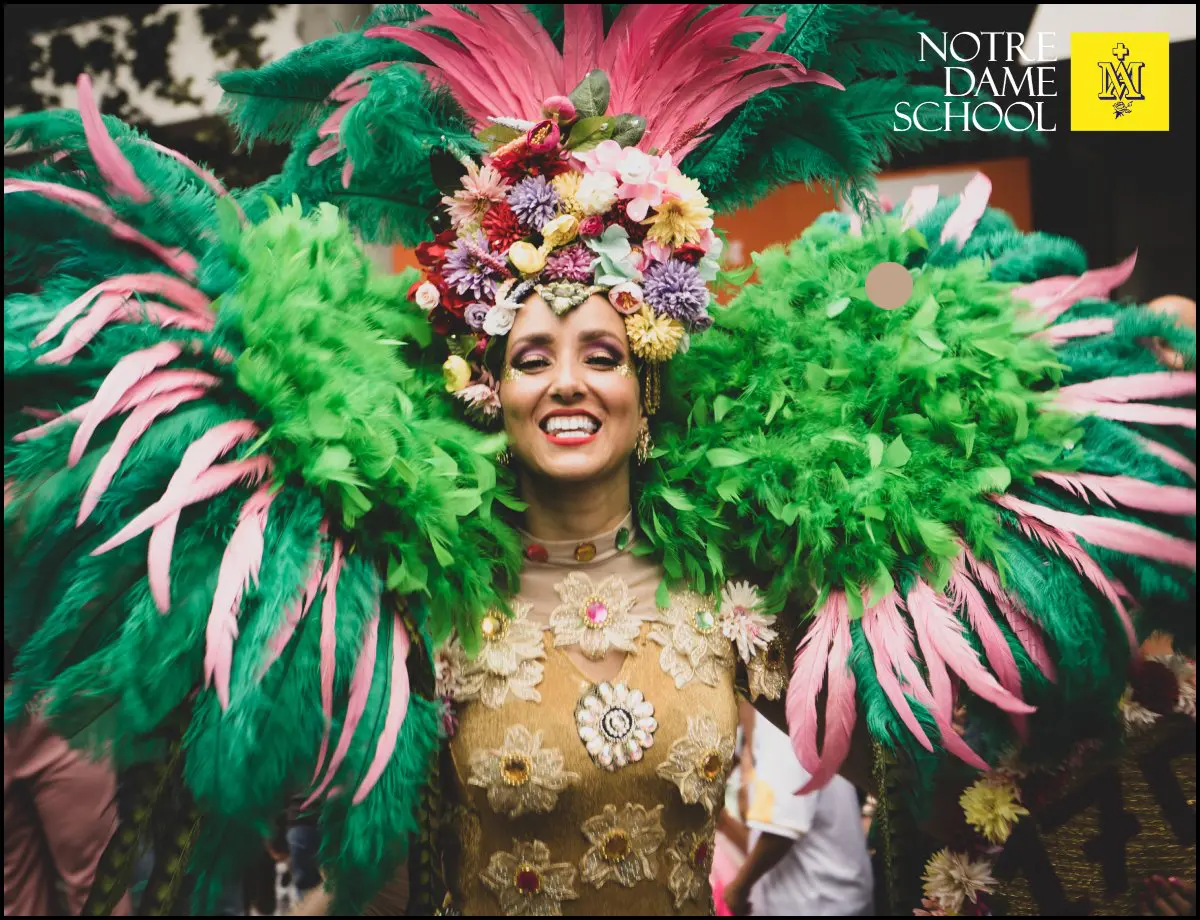
• costumes and masks
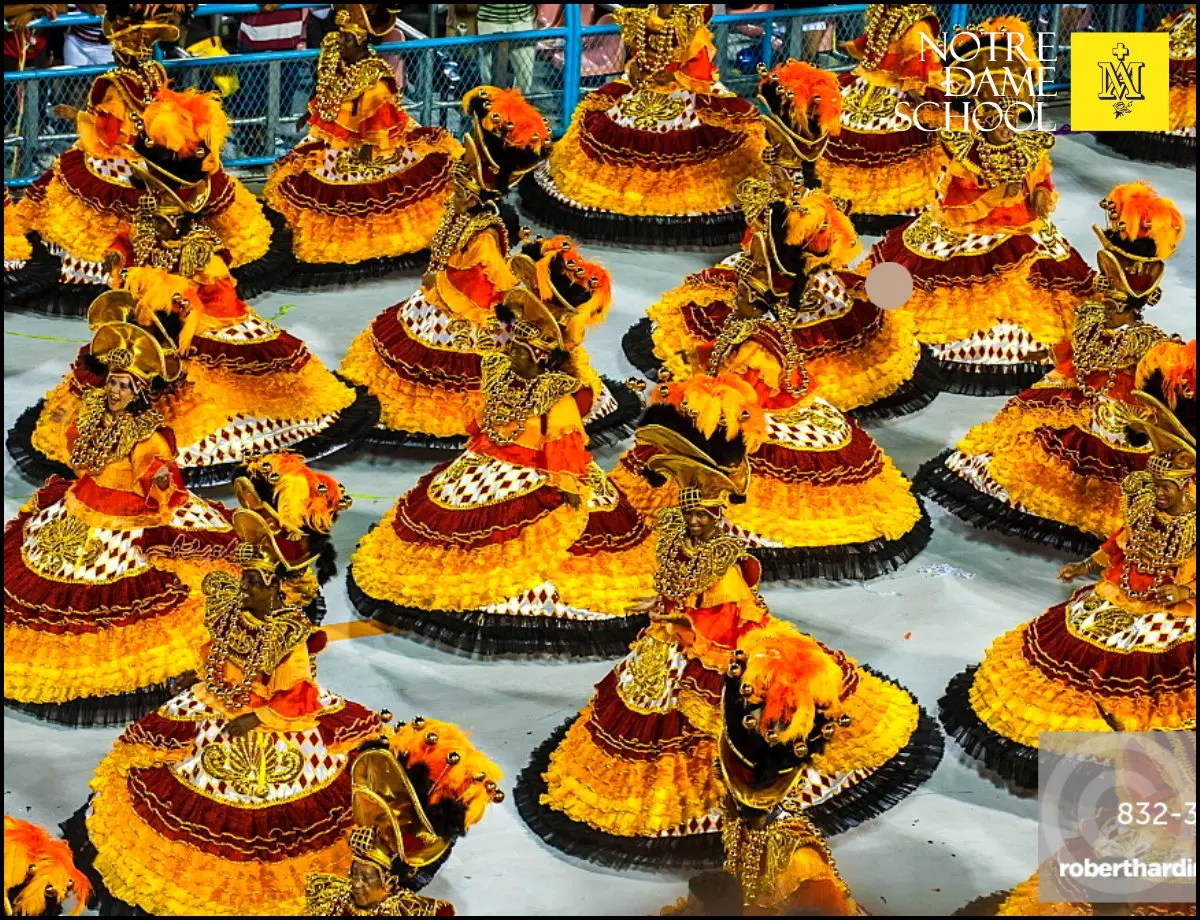
• comparsas (parade groups)
• floats
• local music
• a celebration of life before the period of reflection during Lent