

AI Cracks the Rules of a Lost Roman Game
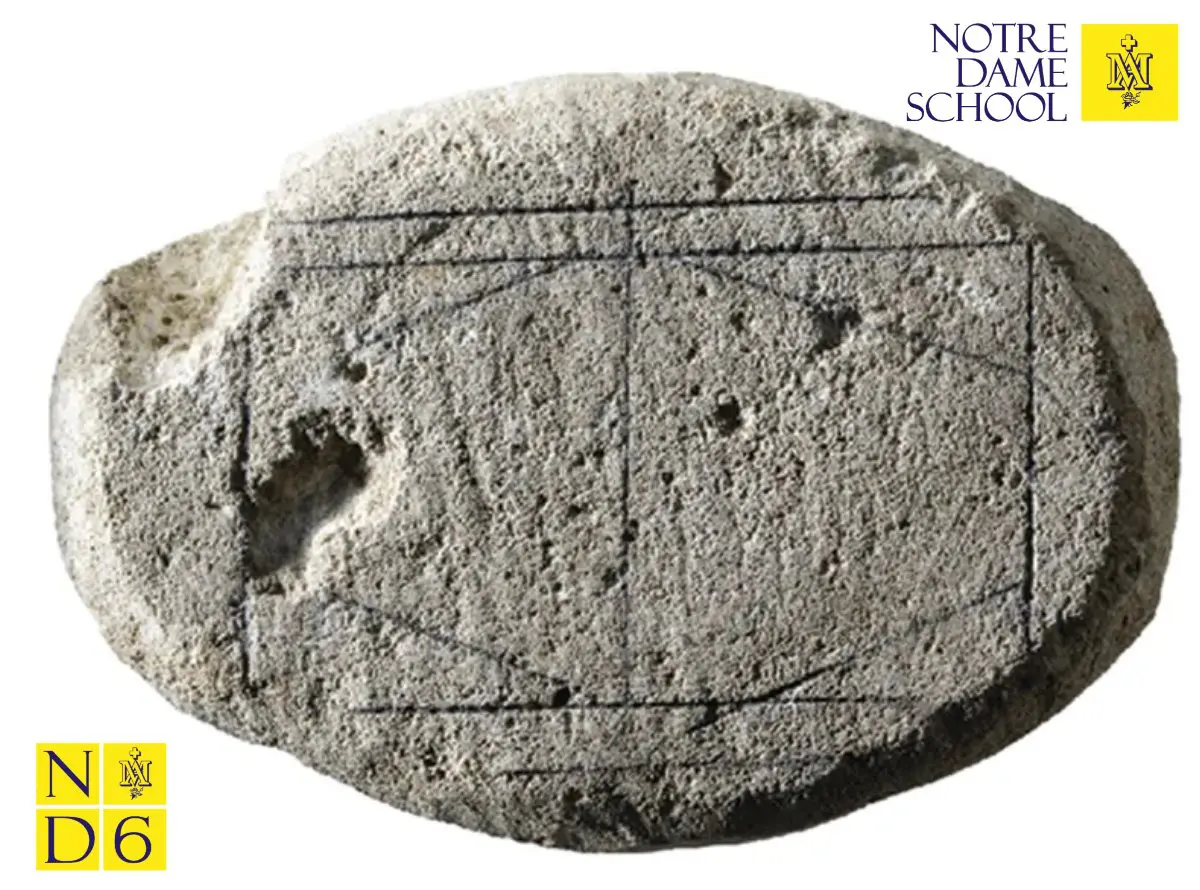
On February 9th, archaeologists announced that artificial intelligence has helped solve a long‑standing Roman gaming mystery. Researchers used AI‑driven virtual players to test dozens of possible combinations of pieces and moves, allowing them to reverse‑engineer how an ancient board game was once played. The limestone board, just 20 centimeters across, was discovered in the Dutch city of Heerlen and is now displayed in the local museum. [sciencenews.org]
“We tried many different kinds of combinations: three versus two pieces, or four versus two, or two against two … we wanted to test out which ones replicated the wear on the board,” explained Walter Crist of Leiden University. Their findings revealed that the game—now called Ludus Coriovalli—was a type of “blocking” game, centuries older than previously known examples. [sciencenews.org]
The game has also been brought to life digitally: Ludus Coriovalli can now be played online against a computer, offering the public a chance to experience this revived piece of Roman history. [sciencenews.org]