

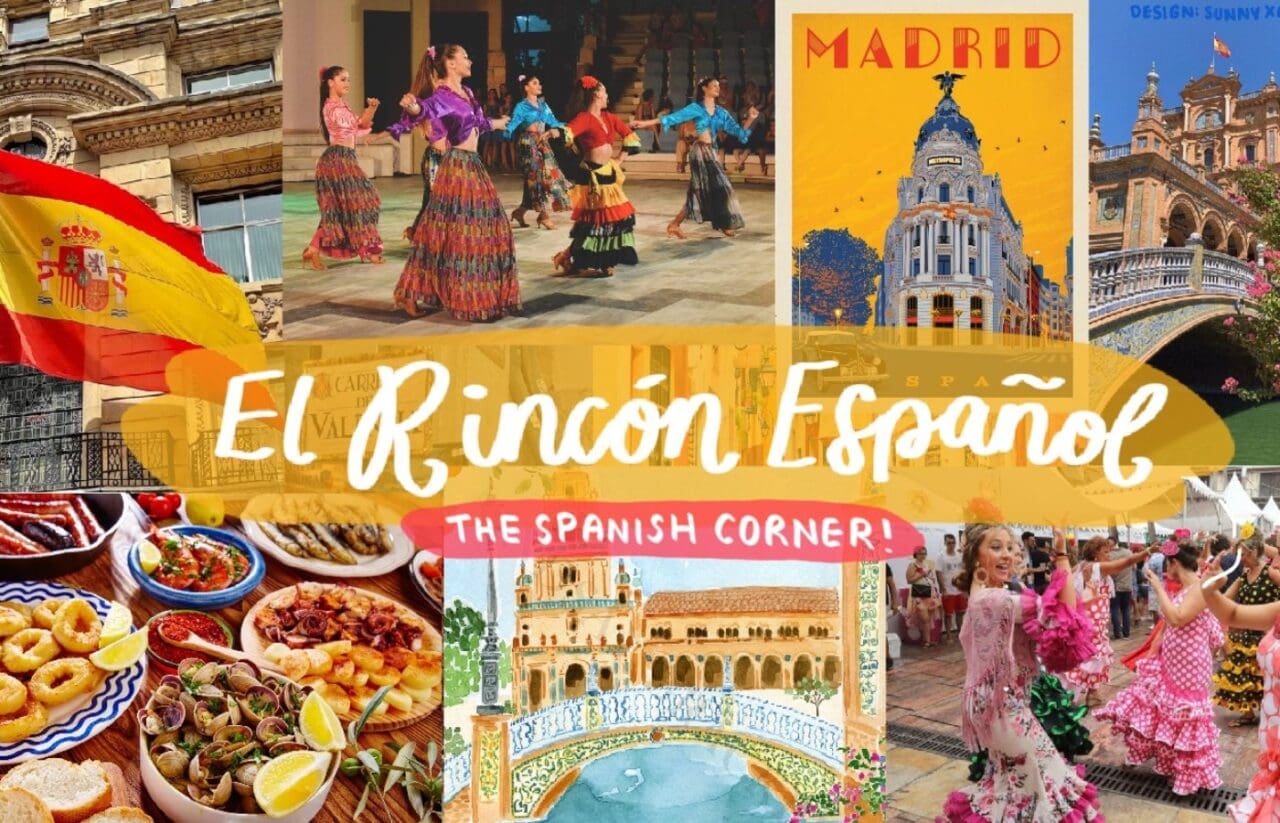
La importancia de las costumbres en el mundo hispano
The Importance of Customs in Learning Spanish
Learning a language goes beyond memorizing vocabulary and grammar rules. It also means understanding the cultural and social context in which the language is used. Spanish customs include greetings, colloquial expressions, idioms, and rules of courtesy—all of which are essential for smooth and respectful communication.
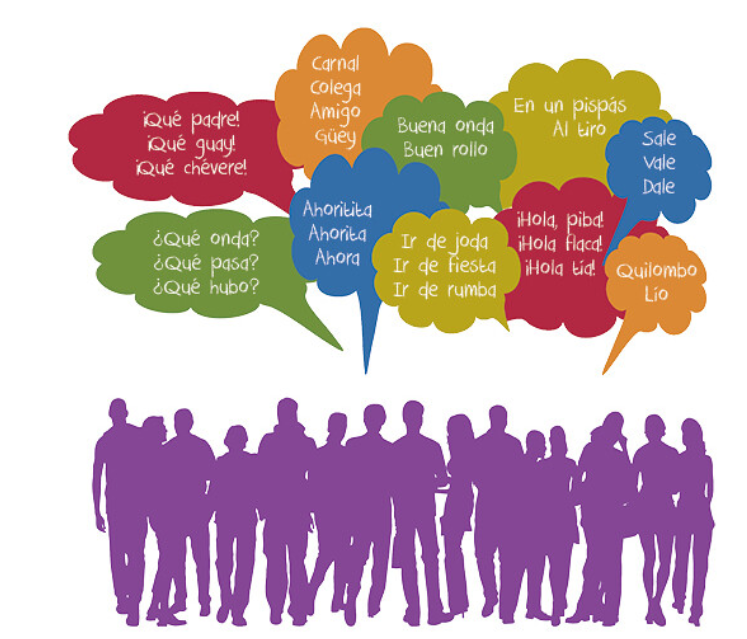
These cultural elements help learners sound natural and connect with native speakers. For example, knowing when to use tú or usted, or understanding common phrases like ¿Qué tal? or ¡Qué guay!, makes conversations more authentic. Customs also vary across regions, adding richness and diversity to the Spanish-speaking world.
Conclusion
Cultural customs are a key part of mastering Spanish and communicating in an authentic way. From greetings and farewells to idioms and courtesy norms, every detail adds depth to the learning experience. Regional variations make Spanish even more fascinating, reflecting the vibrant cultures of its speakers. For those looking for an effective and enjoyable way to learn, platforms that combine language and culture offer a complete experience, helping learners gain both linguistic skills and cultural understanding.
