
Semana Santa (Holy Week) is a Christian religious celebration that takes place in the week leading up to Easter Sunday. It commemorates the last days of Jesus’ life, including his death and resurrection. It is particularly important in Spain and Latin American countries, but it is celebrated in different ways around the world.
Spain
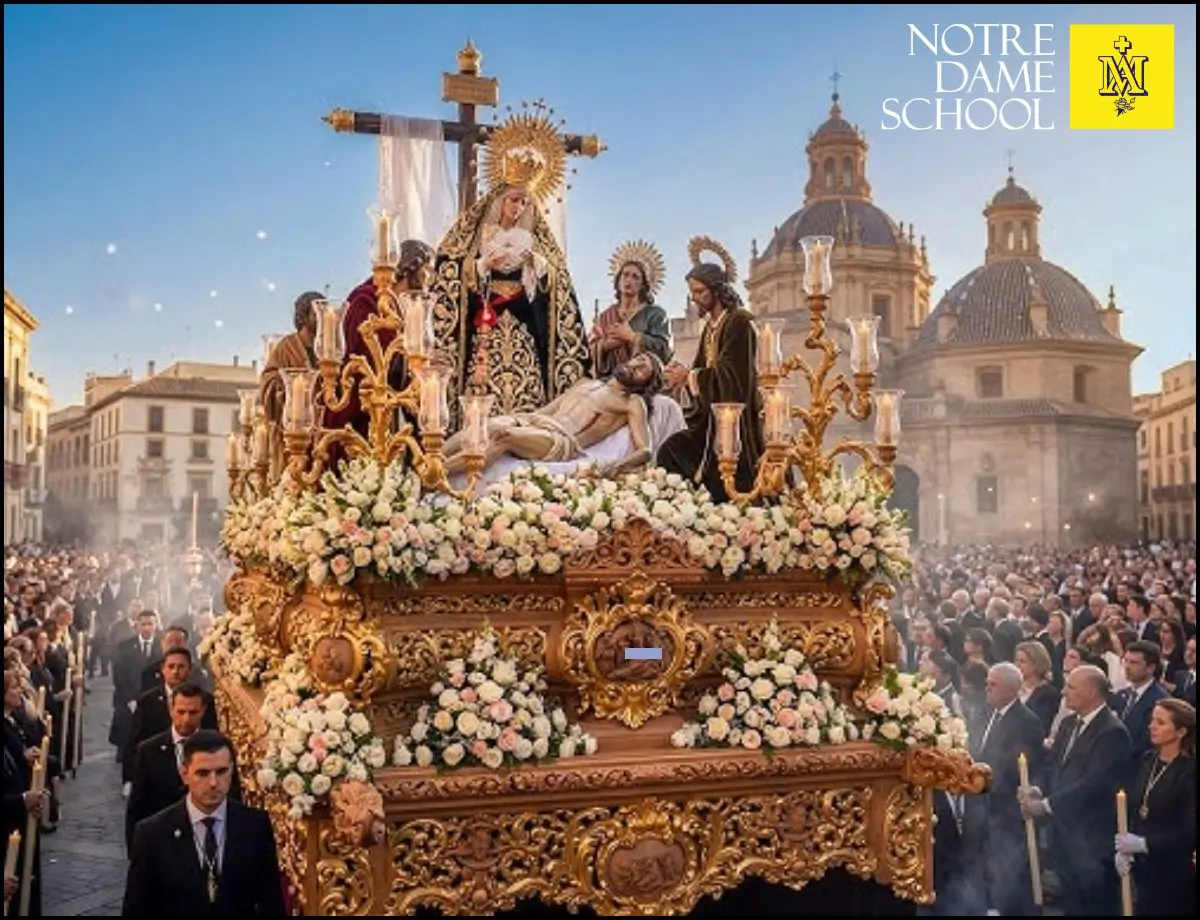
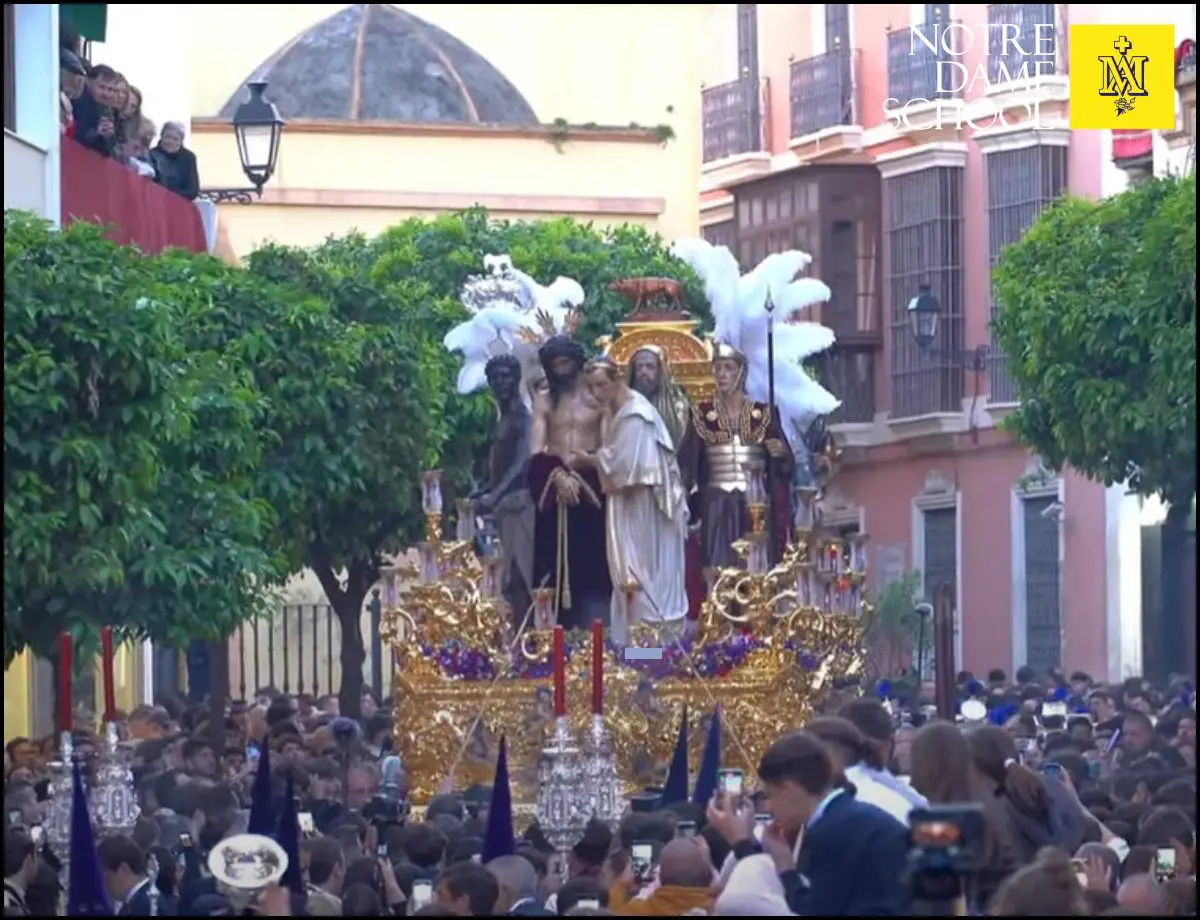
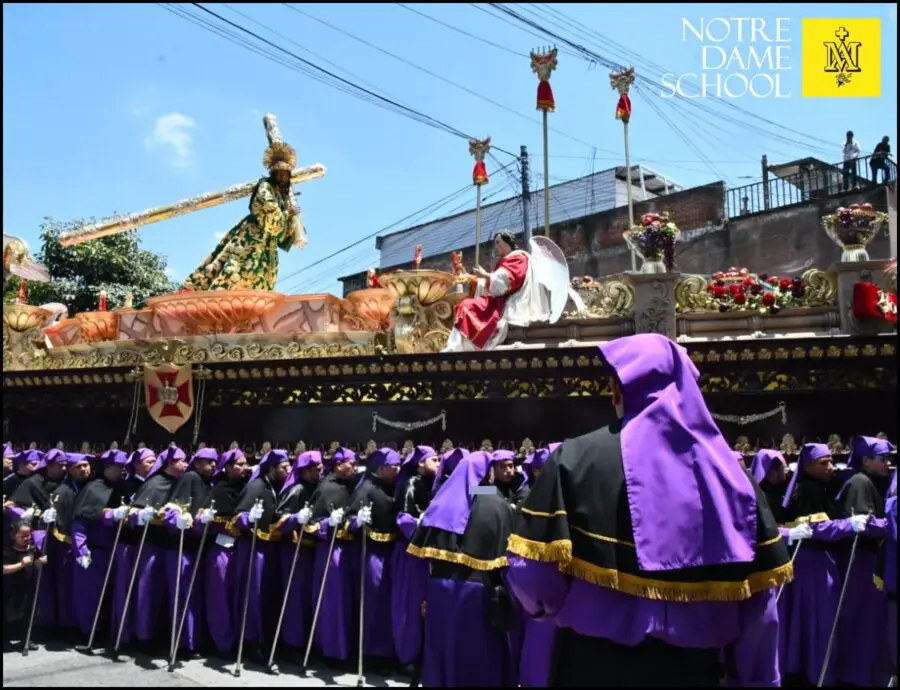
In Spain, Semana Santa is known for its large, solemn processions. People dress in traditional robes and carry religious statues (pasos) through the streets, often accompanied by drums and marching bands. The atmosphere is usually serious and emotional, especially in cities like Seville, Málaga and Valladolid. These processions reflect Spain’s strong Catholic tradition and sense of history.
Latin America
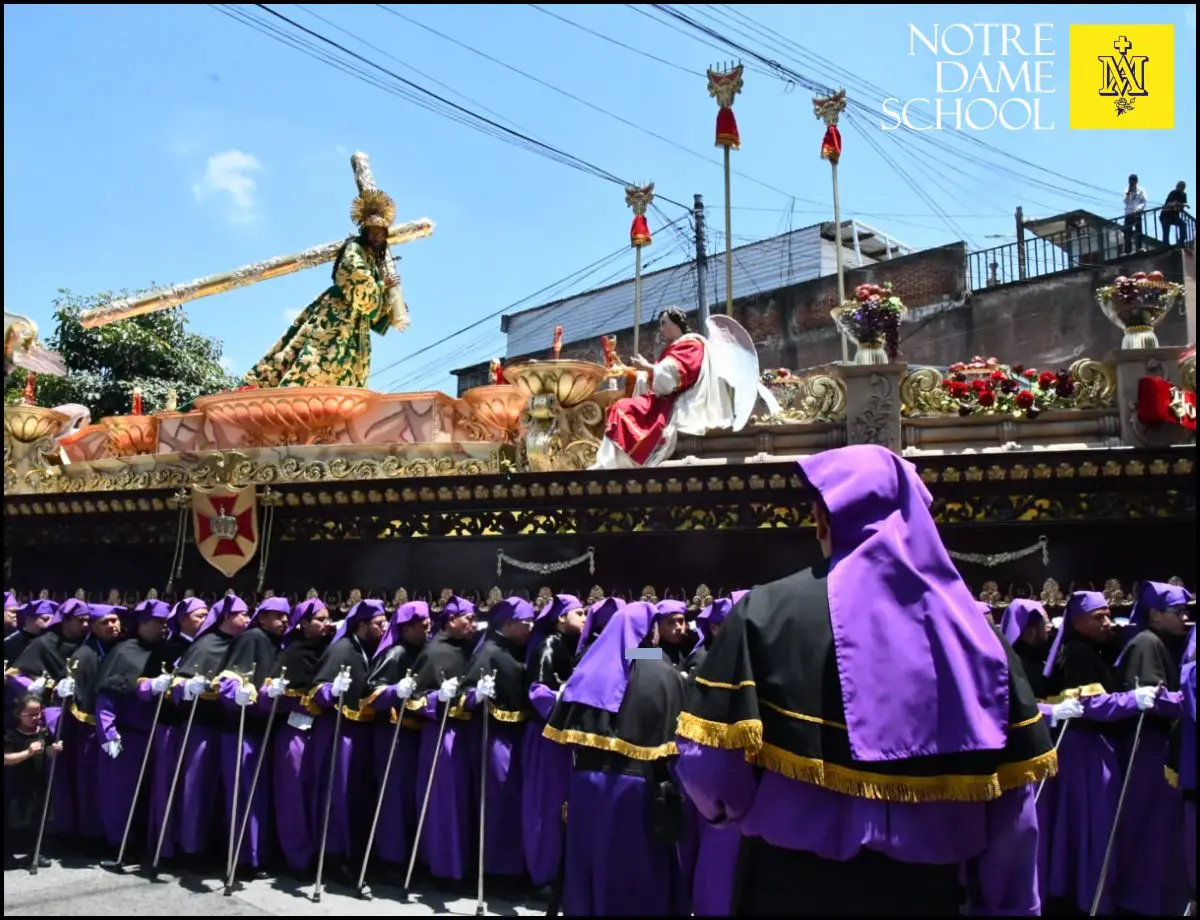
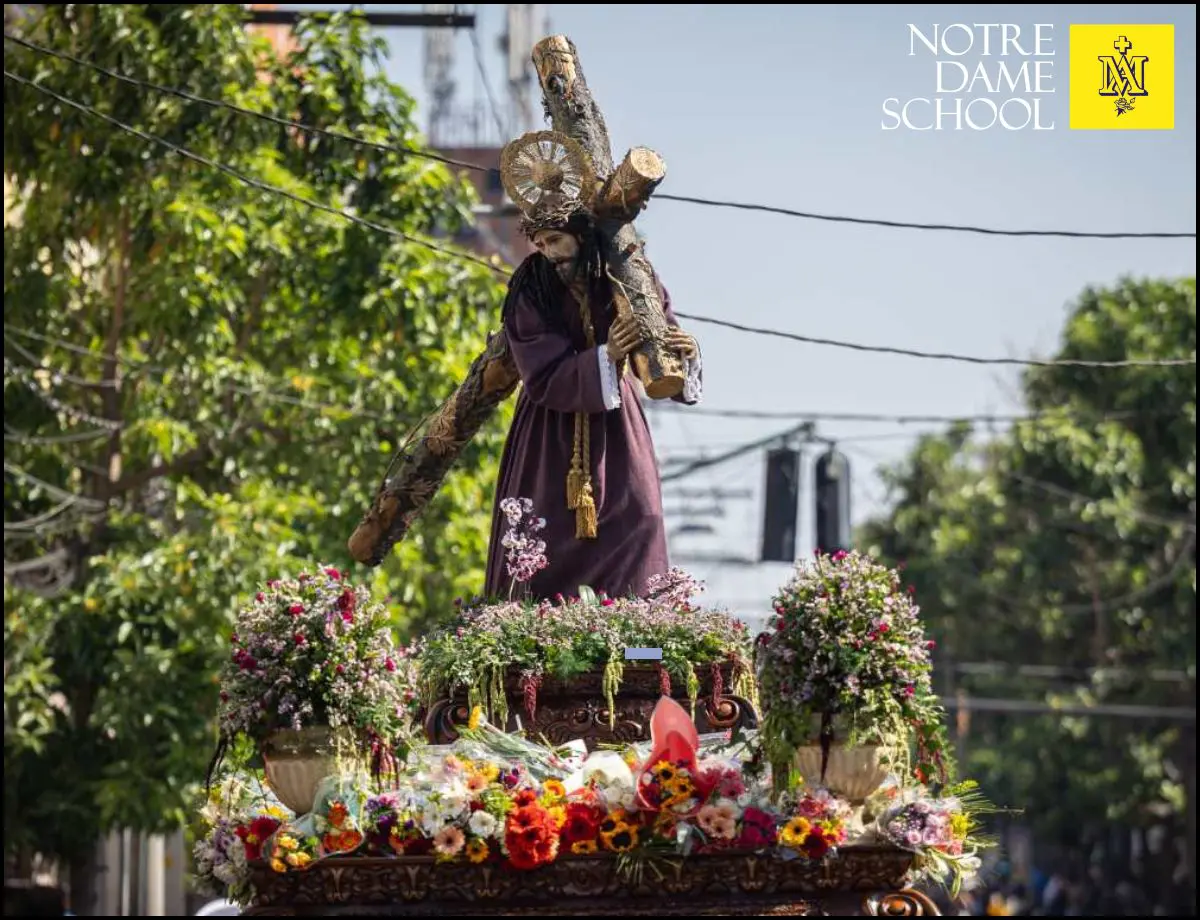
In Latin American countries such as Mexico, Guatemala and Colombia, Semana Santa is also very important but often more colourful and community based. In Guatemala, for example, the streets are decorated with alfombras (carpets made of coloured sawdust and flowers). Celebrations may include religious plays, reenactments of the Passion of Christ, and local customs, mixing Catholicism with indigenous traditions.
Other parts of the world
In other countries, such as Italy, Semana Santa focuses on church services and reenactments, while in the UK it is usually marked more quietly, with church services but fewer public processions. In some places, Easter has become more secular, with less emphasis on religion and more focus on family activities.
Main differences
The main differences in Semana Santa celebrations around the world are:
• Religious intensity (very strong in Spain and Latin America)
• Public processions vs private worship
• Atmosphere (solemn in Spain, often more vibrant in Latin America)
• Cultural influences, including local traditions and history
Overall, Semana Santa shows how the same religious event can be celebrated in different ways, depending on culture, history and religious belief.