
Recent studies challenge the traditional belief that consciousness requires a brain, suggesting instead that some form of subjective experience may exist across a wide range of living organisms.
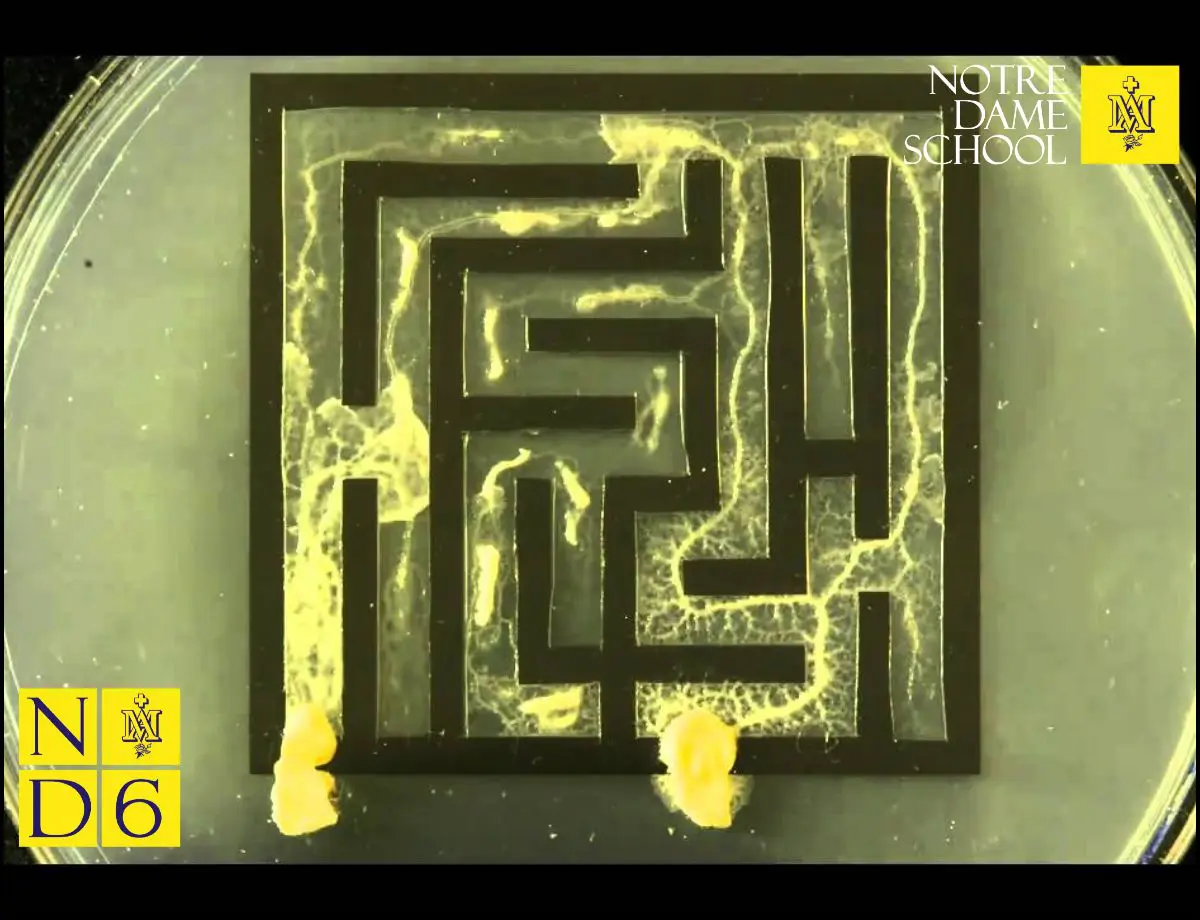
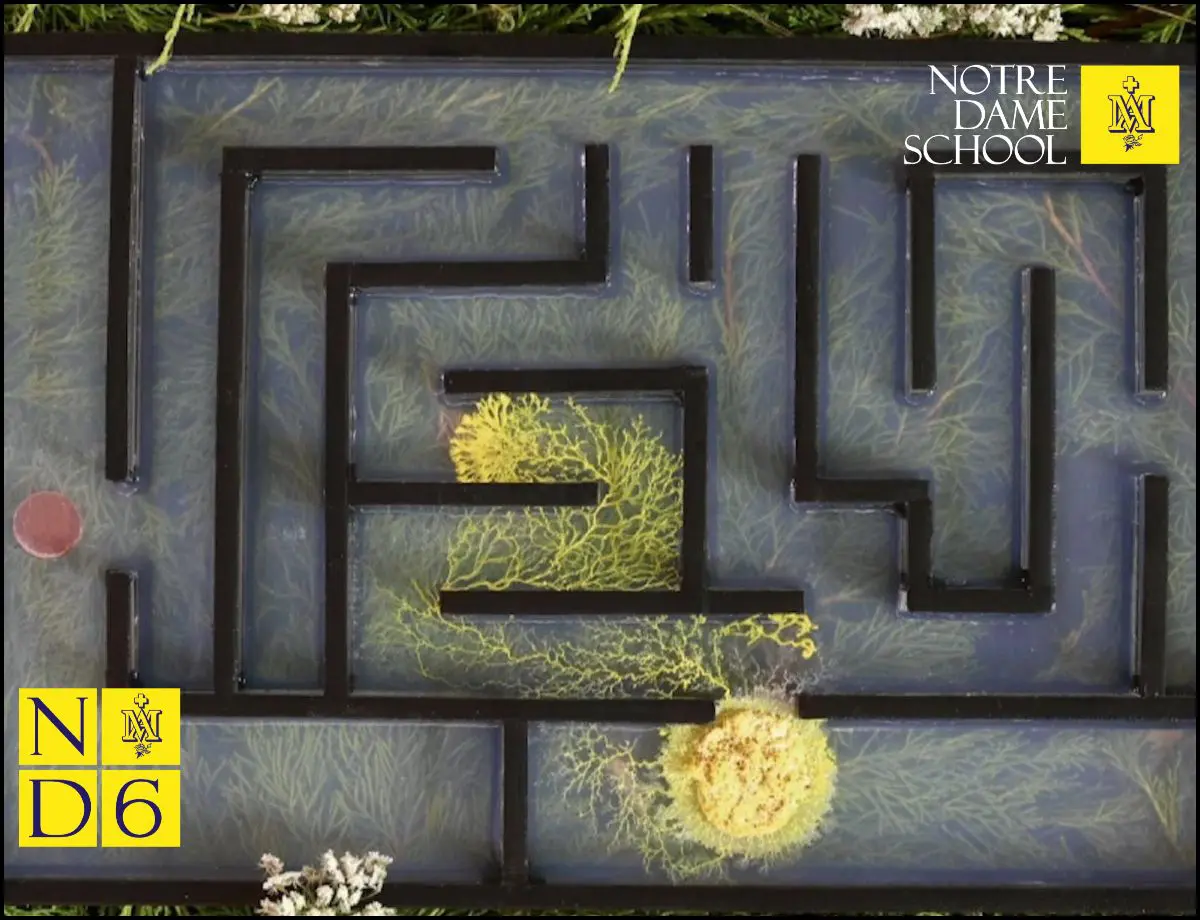
Philosopher and science writer Natalie Lawrence argues that cognitive science has been limited by “brain-centrism” – the assumption that minds can only arise in nervous systems similar to our own. Research into organisms such as plants and slime moulds has revealed behaviours including problem-solving, adaptation, and responses to anaesthetics, indicating that complex forms of cognition may occur without brains. Scientists at Spain’s MINT Lab are developing new methods to investigate consciousness without relying on human cognition as a model, aiming to distinguish systems that merely react to stimuli from those that may genuinely experience their environment.
These findings support the idea that consciousness could exist on a spectrum throughout nature, with different organisms possessing different kinds of minds shaped by their unique biology and environments.